The back story
Mangroves, malls and the Moore: how Miami learned to shop, the back story
Lincoln Road, Bal Harbour and the Design District: a century of Miami shopping in three addresses.
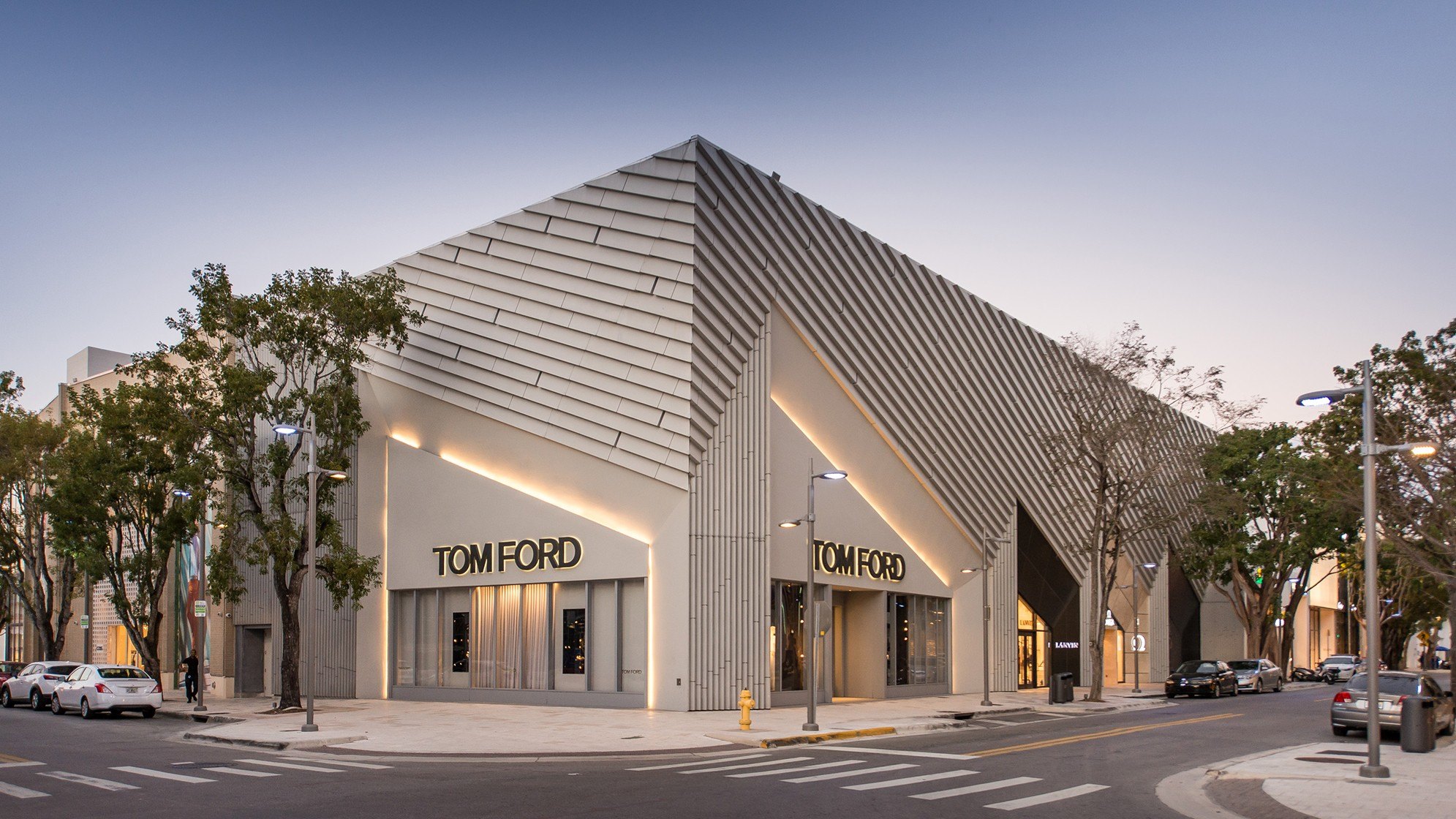
Photo Credit
Image courtesy of © Miami Design DistrictIn 1912 Carl Fisher cleared a road through a mangrove forest and promised Miami Beach the Fifth Avenue of the South. In 1965 Bal Harbour opened what it calls the first all-luxury fashion shopping centre, and a 1920s furniture showroom on a former pineapple plantation now anchors the Design District. Here is how three addresses shaped the way Miami shops, and how to see them in a day.
A Fifth Avenue in the mangroves
Lincoln Road began in 1912, when the developer Carl Fisher cleared it from a mangrove forest and set out to make it “the Fifth Avenue of the South”. The ambition was not modest and the ground was mostly swamp. That it worked at all says a good deal about Miami, a city that has always treated geography as a suggestion.
Too much is never enough
In the late 1950s the city hired the architect Morris Lapidus to refresh the street, and he made it what Lincoln Road calls the second open-air mall in the United States. His motto was “Too much is never enough”, and the road has taken it to heart: it is listed on the National Register of Historic Places and planted with more than 1,250 orchids, looked after by Fairchild Tropical Botanic Garden.
There were lean years. In the early 1980s, the road’s own history notes, cattle egrets outnumbered pigeons there; the arrival of Art Center South Florida in 1984 helped bring the people back. Lapidus also designed the Fontainebleau up the coast, so Miami Beach owes him both a famous stairway to nowhere and a street that went somewhere.
On Collins Avenue, The Webster shows how South Beach recycles its Art Deco. The building was designed in 1939 by Henry Hohauser, and Laure Hériard Dubreuil reimagined the historic hotel as a store for women’s and men’s designer fashion, keeping its Deco details. A building that once put guests up now dresses them instead.
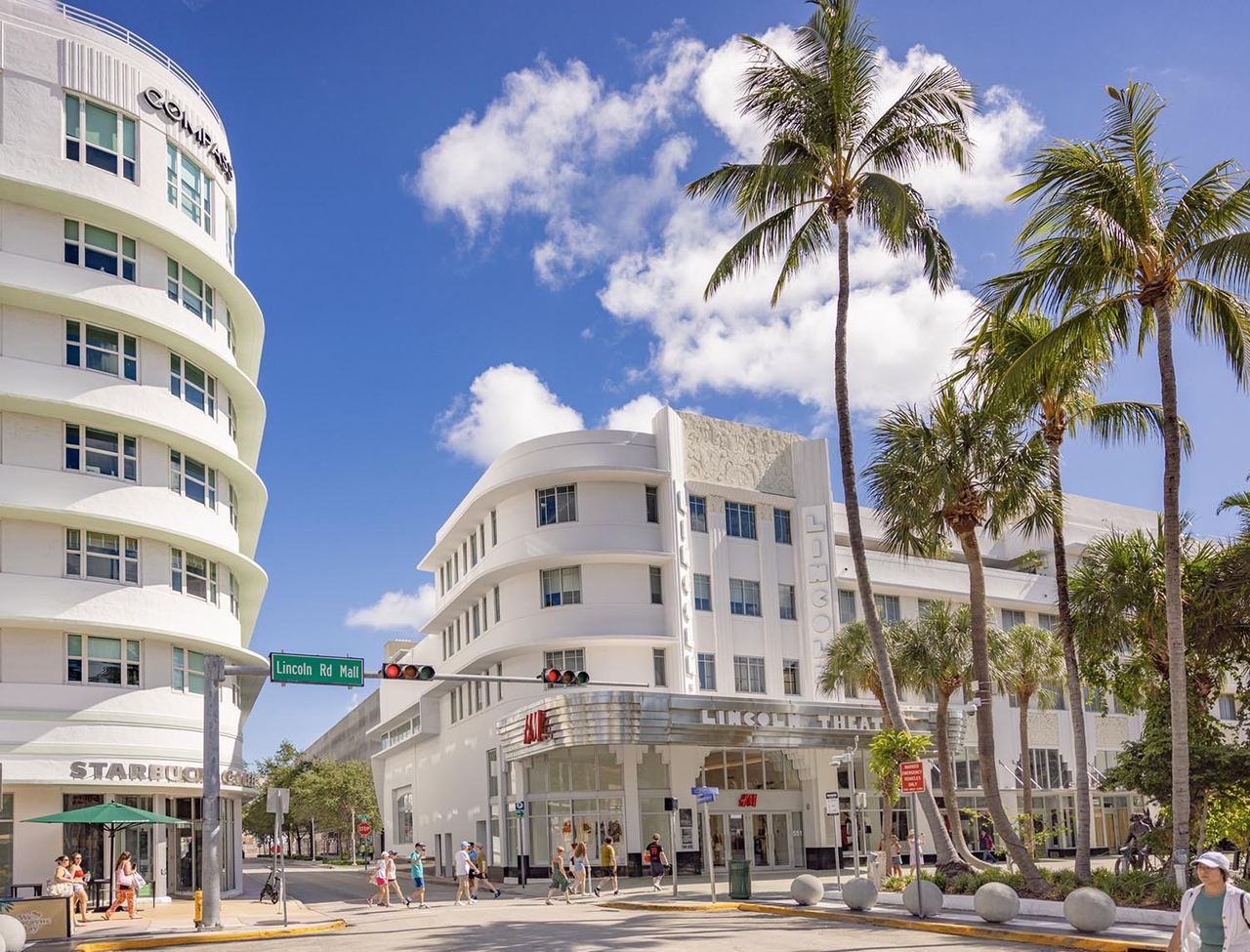
Photo Credit
Image courtesy of © Lincoln RoadBarracks to boutiques
North of Miami Beach, Bal Harbour Village began in 1946 with 25 residents living in former Second World War army barracks turned into apartments. Stanley Whitman spent 1954 to 1962 touring shopping centres around the country to decide what to include and what to avoid. On 26 November 1965 Bal Harbour Shops opened as, in its own words, the first all-luxury fashion shopping centre.
The anchors followed. Neiman Marcus opened there in 1971, its first store outside its native Texas, and Saks Fifth Avenue arrived in 1976, making Bal Harbour the first shopping destination with both. A second level came in 1983. Today its garden courtyard shelters a dense cluster of fine jewellers and watchmakers, Van Cleef & Arpels among them. Barracks to boutiques in under twenty years.

Photo Credit
Image courtesy of © Stefenetti Emiliano · CC BY-SA 3.0 via Wikimedia CommonsFrom furniture to flagships
The Design District grew from furniture. The Moore was built by David P. Davis during the 1920s Florida Land Boom on a former pineapple plantation, and served as a furniture showroom and warehouse for Moore and Sons. Today the district is run by a partnership between Dacra, founded by Craig Robins, and L Catterton Real Estate, a fund set up in 2016 by Catterton, LVMH and Groupe Arnault.
Barracks to boutiques in under twenty years.
Robins commissioned Zaha Hadid’s Elastika for The Moore, and sculptures, murals and architectural interventions turn up at every corner. More than 200 luxury brands trade here, Chanel, Dior, Hermès, Louis Vuitton, Cartier and Rolex among them, and Jaeger-LeCoultre receives visitors in The Salon at The Moore. Furniture once filled these showrooms; the stock has simply become easier to carry.
Beyond the big three, Books & Books, founded in 1982 by the Miami Beach native Mitchell Kaplan, keeps the independent flag flying in Coral Gables. In Key West, Kino Sandals has hand-cut, assembled and glued its sandals in its own factory since 1966, and you can watch them being made.

Photo Credit
Image courtesy of © (WT-de) Mistoffeles · CC BY-SA 4.0 via Wikimedia CommonsOur advice: give the Design District a weekday morning, with time for the public art between the boutiques, then head north to Bal Harbour Shops for lunch in the courtyard. Save Lincoln Road for the evening, when the heat drops and the cafés fill, and finish with a browse at The Webster on Collins Avenue.
Why it's on our list
- A Fifth Avenue in the mangroves
- Too much is never enough
- Barracks to boutiques
- From furniture to flagships
Location
The map comes from Google Maps, which sets its own cookies once it loads.
More in depth
 Coming soonComing soon: the tech the makers have promisedOfficially announced tech, from Gemini glasses to Meta's VR specs, plus the newest arrivals.
 CompareAirPods Pro 3 vs the rest: noise-cancelling earbuds comparedAirPods Pro 3 against AirPods 5, Sony WF-1000XM6 and Bose QuietComfort Ultra Earbuds.
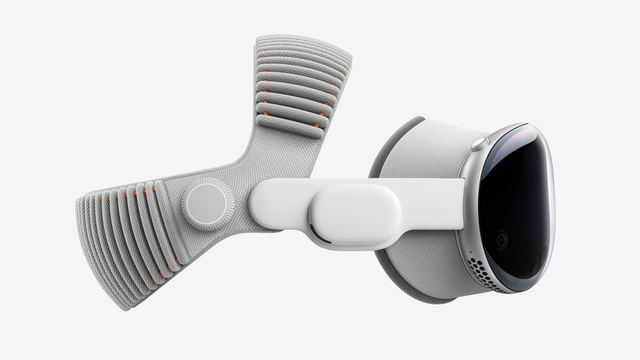 CompareHeadsets compared: Apple Vision Pro, Galaxy XR, Meta Quest 3 and Meta Ray-Ban DisplayVision Pro, Galaxy XR, Quest 3 and Meta Ray-Ban Display: films in flight, work in the hotel room.