The Fitting Room
Linen by day, shoes by night: what Miami Beach asks you to wear
Miami’s dress code changes at 4pm. Where to buy for the beach, and what the doors expect after dark.
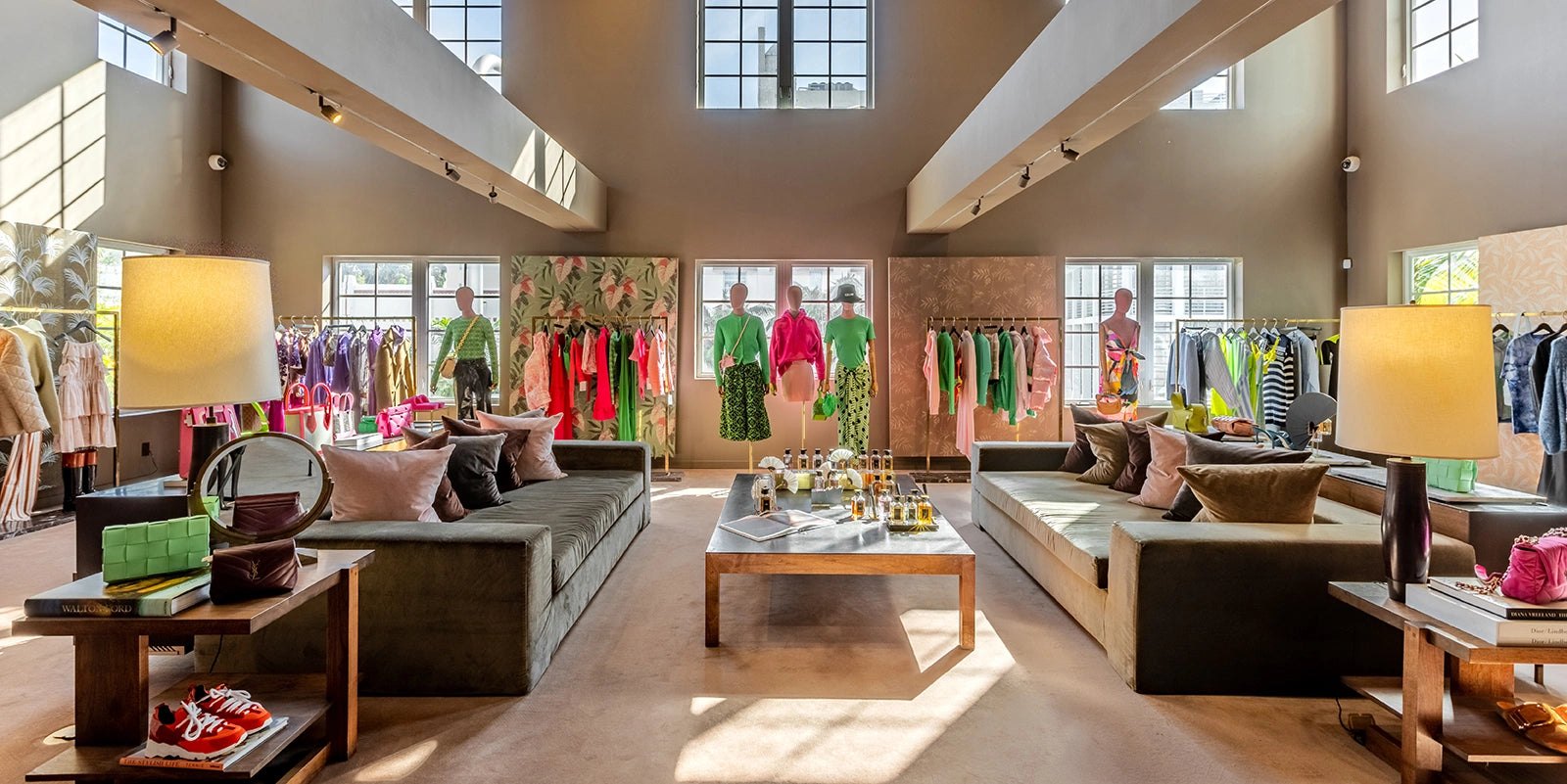
Photo Credit
Image courtesy of © The WebsterMiami looks like a city where anything goes, until you reach a door. The beach asks almost nothing of you; the city’s best tables and clubs ask rather a lot, and the change comes at about four in the afternoon. Here is what the venues actually require, and where to buy the wardrobe for both halves of the day.
The four o’clock rule
Miami’s great sartorial divide falls at about four in the afternoon, when the flip-flops go back in the bag. Joe’s Stone Crab, setting tables since 1913, says lunch is relaxed but still well presented; after 4pm it asks guests to skip hats, beachwear, sportswear, shorts, flip-flops, sliders, tank tops, ripped or revealing clothes and novelty accessories, and the maître d’ has the final word.
LIV, the club inside the Fontainebleau, publishes a longer list: no tank tops or sleeveless T-shirts, no shorts, no excessive baggy clothing, no sandals, flip-flops or dirty athletic trainers, no flats for women, no beachwear, jerseys or hats. It admits over-21s only, and visitors from abroad must show a passport. Even the Arsht Center, a concert hall, will not admit bare feet. In short, the sand stays on the beach.
Where to buy the uniform
The Webster, at 1220 Collins Avenue, fills a 20,000-square-foot hotel designed in 1939 by Henry Hohauser in the Art Deco District, reimagined by Laure Hériard Dubreuil as a store that feels like a home. The rails run from Loewe, Bottega Veneta and Saint Laurent to Miu Miu, Rick Owens and Maison Margiela, with shoes, bags, jewellery, beauty, fragrance and homeware. It opens from 11am to 7pm, Monday to Saturday, and from noon on Sundays.
Lincoln Road runs from the ocean towards Biscayne Bay, and the architect Morris Lapidus was commissioned to redesign it in the 1960s; it joined the National Register of Historic Places in 2011. It is the city’s outdoor fitting room, best in the evening, when the heat drops and the shop windows light up.
North of Miami Beach, Bal Harbour Shops opened in 1965 with 30 retailers on one level, on a site that had been a Second World War army barracks. Its developer, Stanley Whitman, persuaded Neiman Marcus to open its first specialty store outside Texas here in 1971. The shops open daily from 11am to 9pm, around koi ponds, which may be the calmest audience any outfit will ever face.
Miami’s great sartorial divide falls at about four in the afternoon, when the flip-flops go back in the bag.
In its 60th year, 2025, the centre announced a US$550-million enhancement plan that will nearly double its retail space.
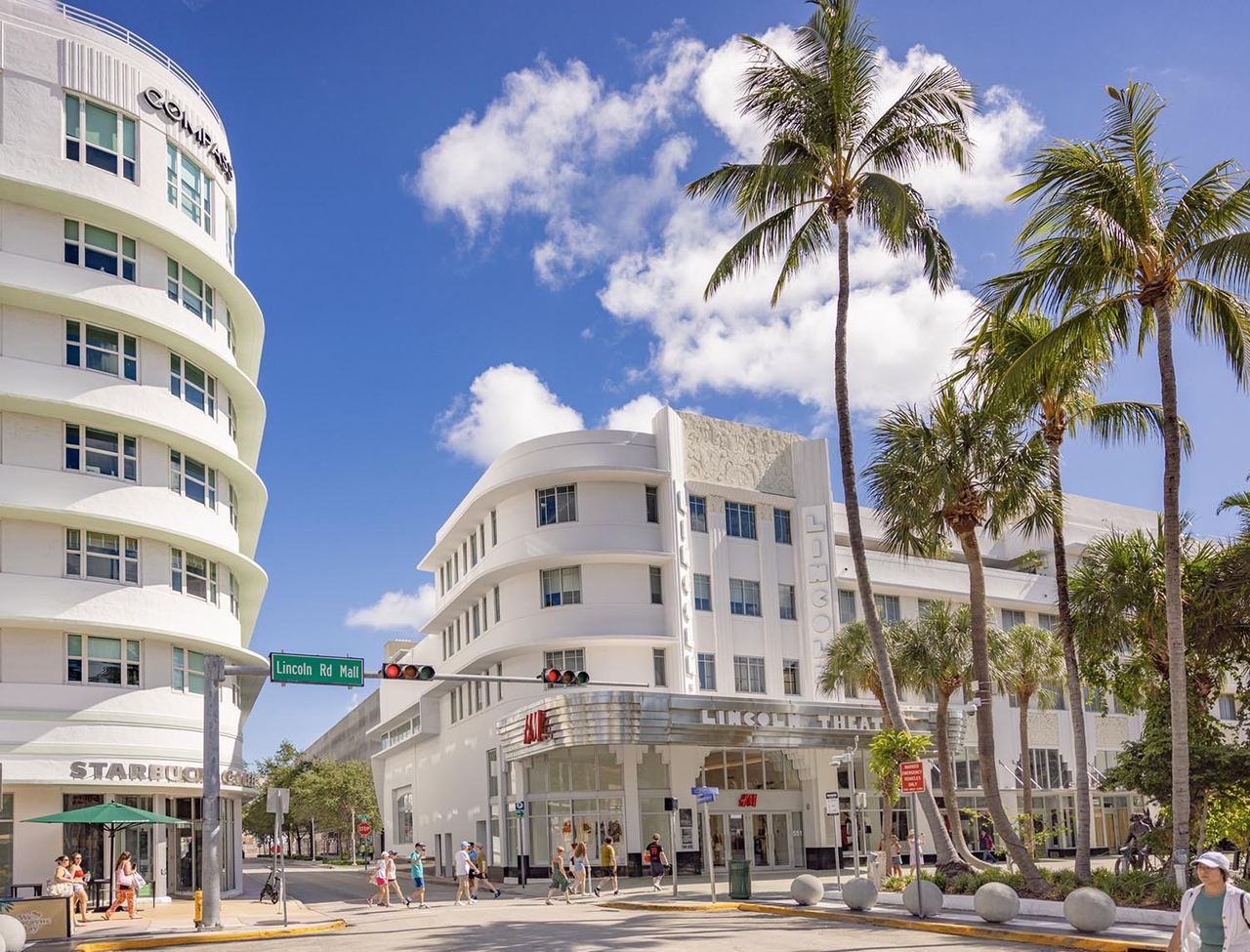
Photo Credit
Image courtesy of © Lincoln RoadDressed for the sand
Nikki Beach has been a South Beach fixture since 1998, on the sand at 1 Ocean Drive. The beach opens daily from 11am to 6pm, the Amazing Sundays Brunch runs from 11am to 4pm, and there is a boutique on site from noon to 5pm for anyone who arrives in the wrong hat. Book a table through Resy, by email or by telephone, especially for Sundays.

Photo Credit
Image courtesy of © (WT-de) Mistoffeles · CC BY-SA 4.0 via Wikimedia CommonsOn the city’s own beaches the rules are about what you carry rather than what you wear: alcohol and smoking are always prohibited, and so are glass containers, Styrofoam, plastic straws and balloons. Linen, a wide brim and sunscreen need no permit at all.
Our advice: pack for two cities. Linen, swimwear and sandals for the day; for the evening, closed shoes, trousers or a dress, and a jacket that can live over a chair. If in doubt at a door, dress up: Miami forgives the overdressed far more readily than it forgives the man in shorts.
Why it's on our list
- The four o’clock rule
- Where to buy the uniform
- Dressed for the sand
Location
The map comes from Google Maps, which sets its own cookies once it loads.
More in depth
 The Fitting RoomCut in Paris, worn on 39th Street: the houses of the Design DistrictCashmere suits in the subtropics, a lucky star on Dior’s roof, and the houses worth a fitting.
 The back storyCuban Miami: Calle Ocho and the cafecitoCafecito, dominoes and salsa: Cuban culture shapes Miami.
 The back storyLittle windows, strong coffee: Miami’s café culture, the back storyFrom the ventanita to the Wynwood roastery: how Miami learned to take its coffee small and sweet.