The back story
The Miami Design District: fashion, design and public art, the back story
How Miami’s fashion district became a neighbourhood of flagships, design and public art.

Photo Credit
Image courtesy of © Franklin Heijnen · CC BY-SA 2.0 via Wikimedia CommonsA few walkable blocks north of downtown hold Miami’s fashion district: more than 200 global luxury brands among public art, bold architecture and two contemporary art spaces. This is how it came about, and what to look for.
A district reborn
In 2000 the developer and collector Craig Robins set about transforming the then-abandoned Miami Design District into a centre for design, fashion, food and art. His company Dacra now develops it with L Catterton Real Estate, founded in 2016 by Catterton, LVMH and Groupe Arnault.
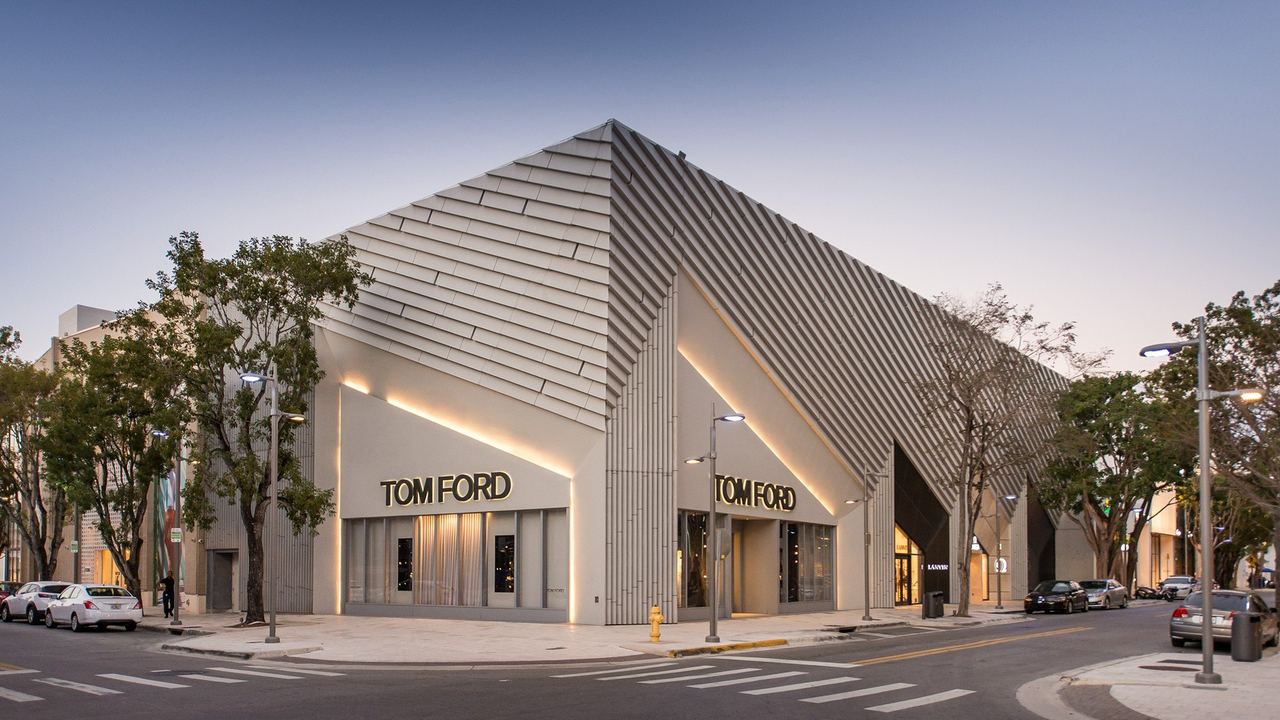
Photo Credit
Image courtesy of © Miami Design DistrictIn 2005 the district’s renewal gave birth to Design Miami, the collectible design fair that now runs every December alongside Miami Art Week.
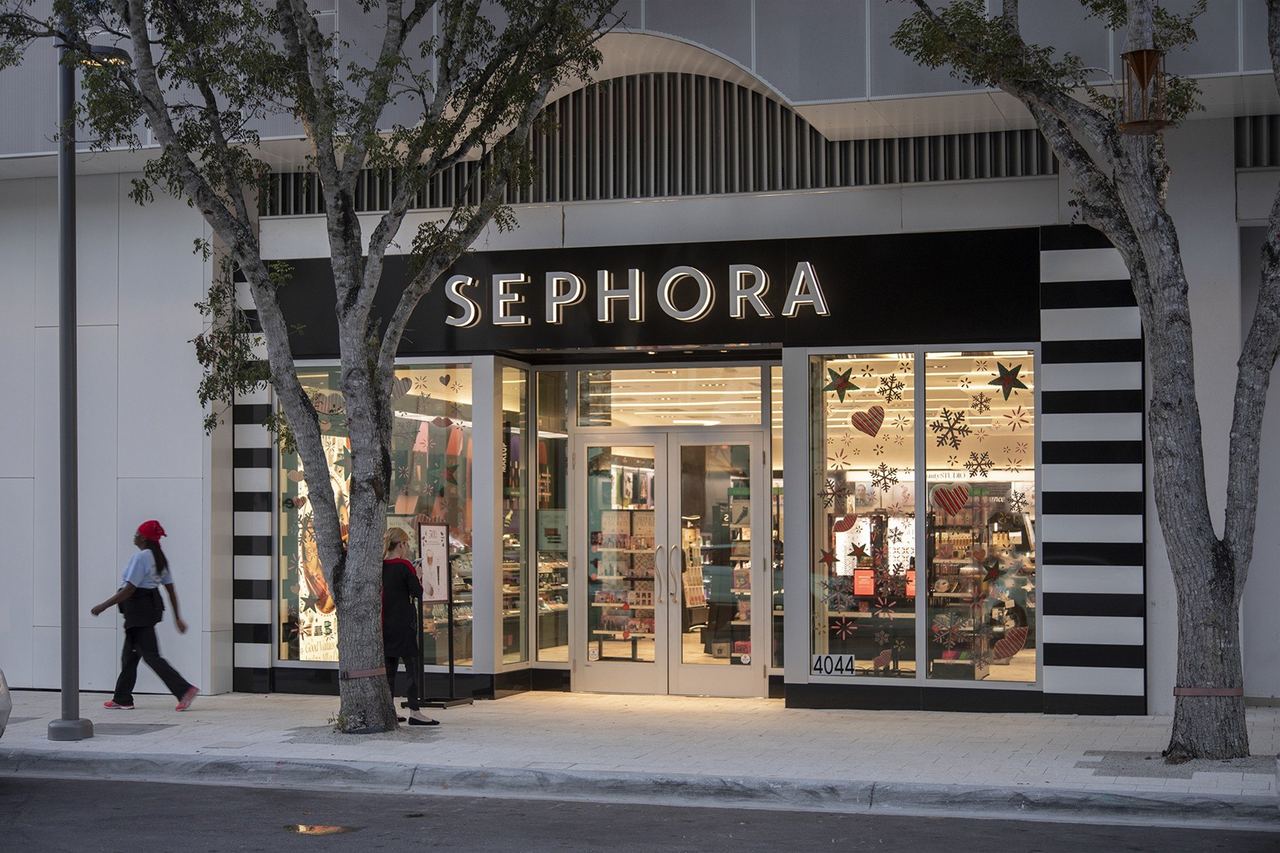
Photo Credit
Image courtesy of © Miami Design DistrictThe fashion houses
Today the district is anchored by more than 200 global luxury brands. Chanel, Dior, Hermès, Louis Vuitton, Fendi, Carolina Herrera and Jacquemus have flagships here, beside the watchmakers and jewellers: Cartier, Tiffany & Co., Rolex, Patek Philippe and Hublot.
Art in the open
The district treats its streets as a gallery. In the centre of Palm Court stands Buckminster Fuller’s Fly’s Eye Dome. Fuller designed and patented the dome in 1965; Robins acquired the 24-foot prototype in 2011, and the Buckminster Fuller Institute unveiled a new edition here in December 2014.
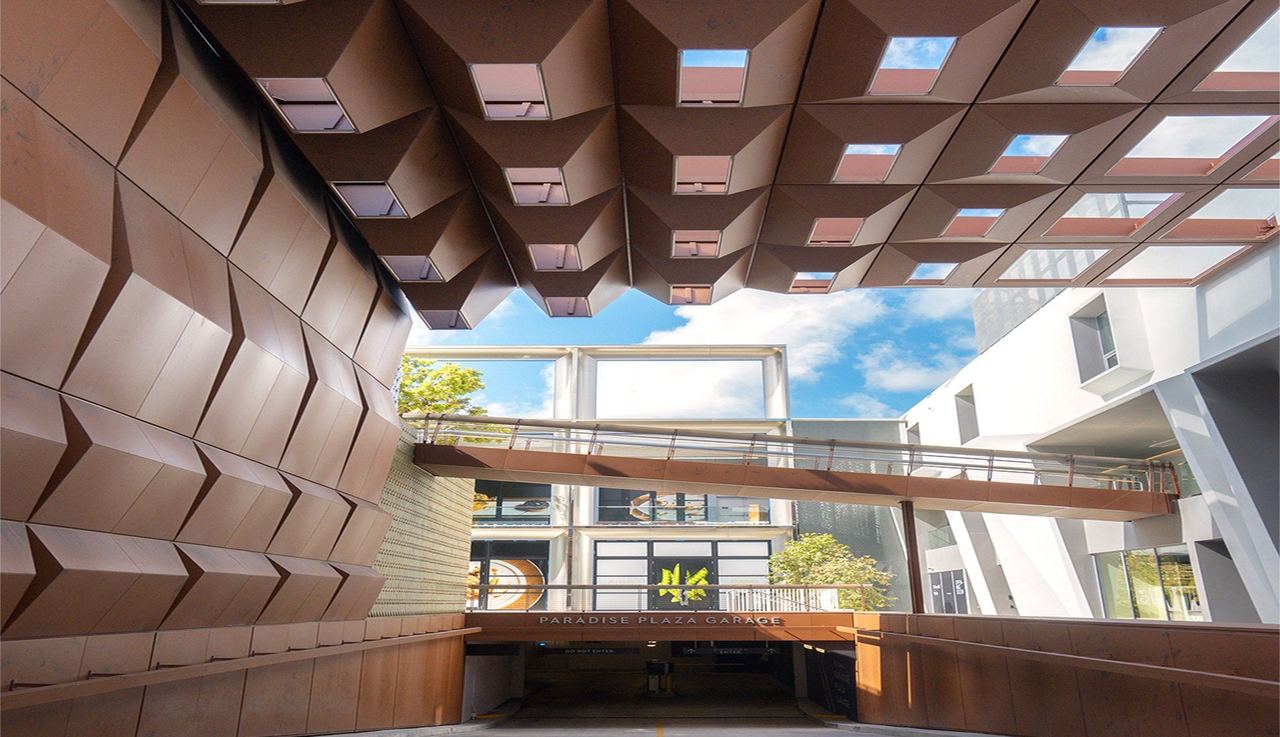
Photo Credit
Image courtesy of © Miami Design DistrictThe dome is also a doorway: you can walk through it to the Palm Court Garage below. Overlooking it from the floor above is Xavier Veilhan’s fibreglass Le Corbusier of 2013, the architect rendered larger than life.

Photo Credit
Image courtesy of © Arnaud-Victor Monteux · CC BY-SA 3.0 via Wikimedia CommonsZaha Hadid’s Elastika, commissioned by Robins for the first Design Miami in 2005, sprawls the length of the four-level atrium of The Moore at 191 NE 40th Street. Torno Subito sits beneath it.

Photo Credit
Image courtesy of © Moonik · CC BY-SA 3.0 via Wikimedia CommonsLook out too for John Baldessari’s Fun at 3800 NE 1st Avenue, Daniel Toole’s Jade Alley of 2017, a run of parabolic concrete walls at 176 NE 41st Street, and Antonyo Marest’s Allegra of 2023 on Paseo Ponti.

Photo Credit
Image courtesy of © Phillip Pessar · CC BY 2.0 via Wikimedia CommonsArchitecture
Even the car park is a sight. For the Museum Garage at 90 NE 41st Street, the architect and curator Terence Riley developed the concept in 2015, and WORKac, J. Mayer H., Clavel Arquitectos, Nicolas Buffe and Riley’s own firm K/R each designed a façade.
In the Design District the car park is a work of architecture, and the way down to it is through a Buckminster Fuller dome.
The Institute of Contemporary Art, Miami is at 61 NE 41st Street, and the de la Cruz Collection is a few steps away.
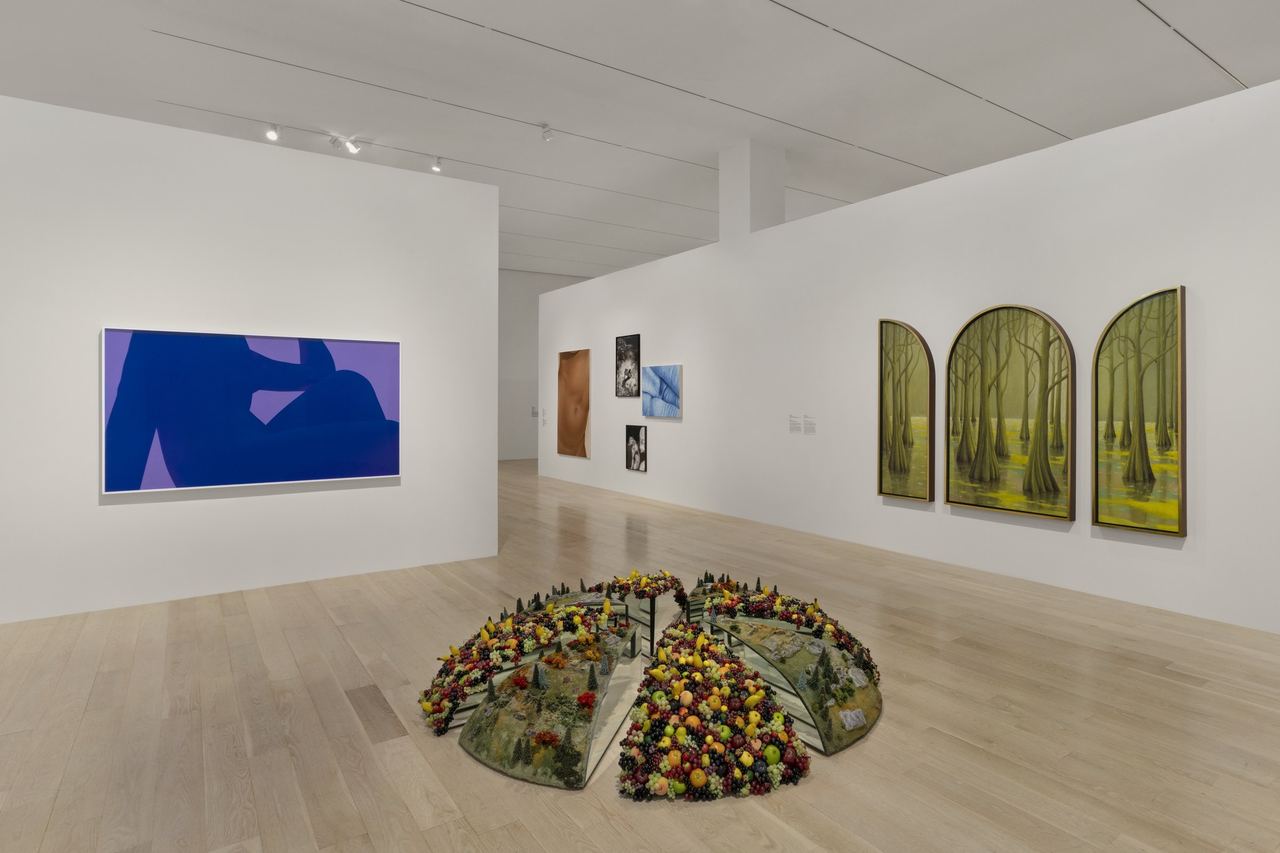
Photo Credit
Image courtesy of © ICA MiamiWalking it today
Start at Palm Court, walk through the dome, then wander north to the Museum Garage and ICA Miami. Le Jardinier and Mandolin Aegean Bistro are the classic lunch stops.
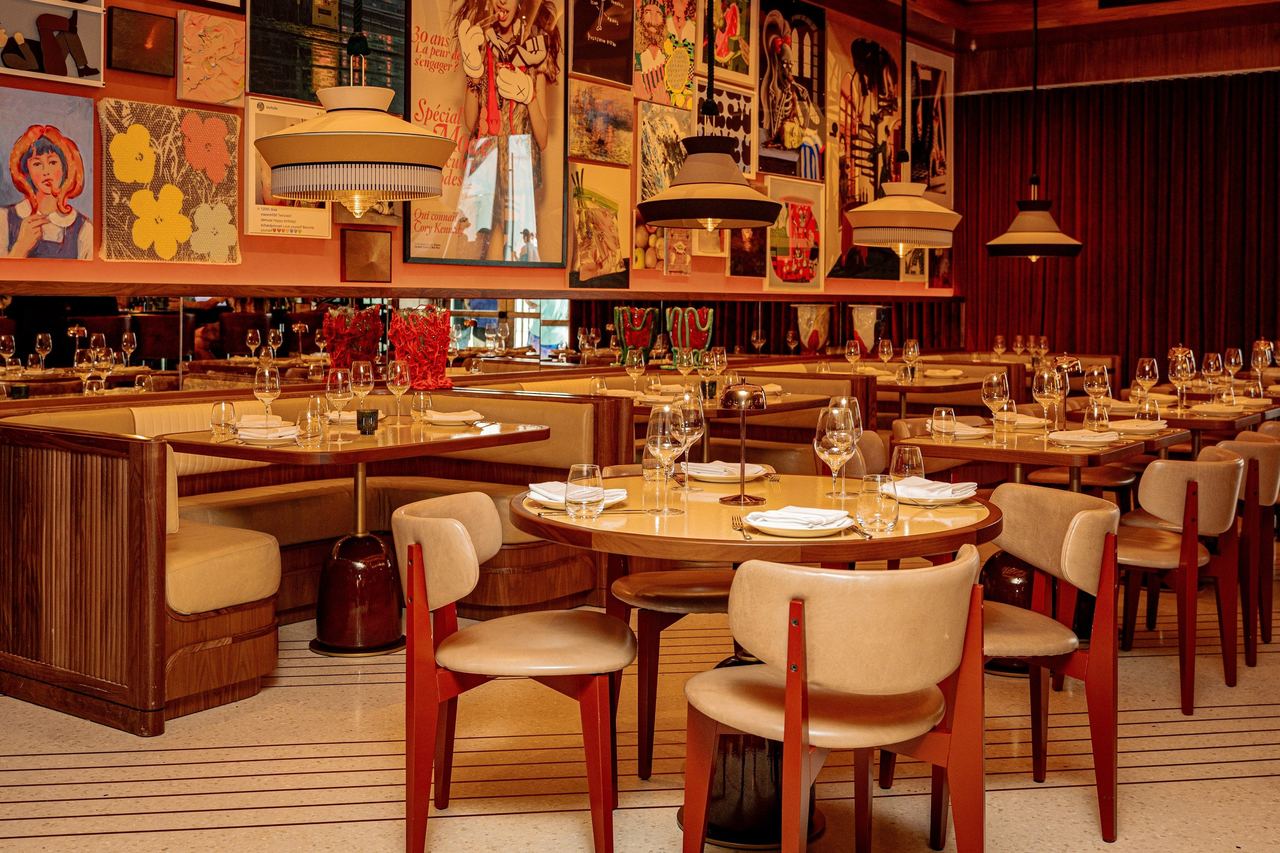
Photo Credit
Image courtesy of © Miami Design DistrictOur advice: combine the Design District with Wynwood, a short ride south, and come in the morning, when the streets are quiet and the light is kind to the architecture.
Why it's on our list
- A district reborn
- The fashion houses
- Art in the open
- Architecture
- Walking it today
Location
The map comes from Google Maps, which sets its own cookies once it loads.
More in depth
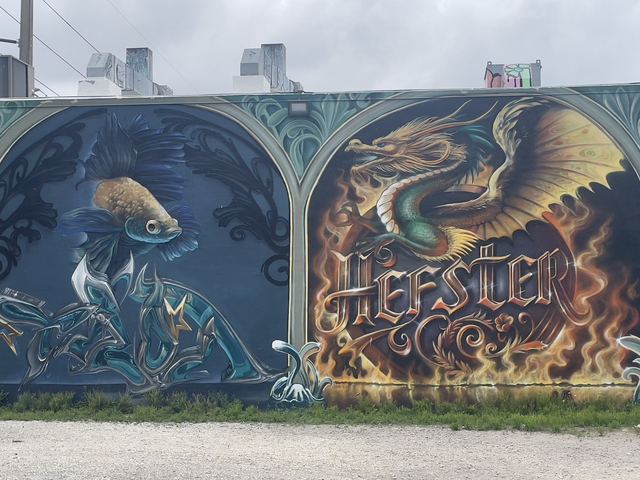 Our walkWynwood street art: from warehouses to murals to new towersOur photo walk through Wynwood: how warehouses became an art district, and what is being built now.
 The back storyArt Deco, PAMM and the Wynwood Walls: Miami’s art and architectureFrom Art Deco and PAMM to Wynwood and Miami Art Week: Miami as an art city.
 The back storyArt Basel Miami Beach: how a Swiss fair changed Miami, the back storyFrom a Basel experiment in 1970 to Miami Art Week: the fair that remade the city.